The “400” State Trail: Reedsburg to La Valle
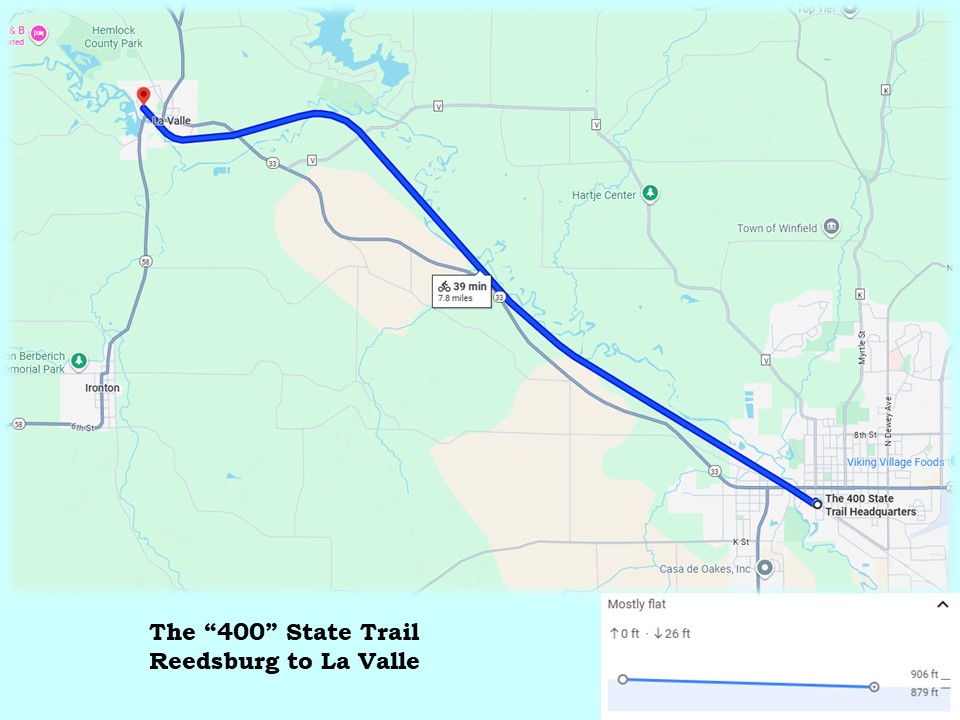
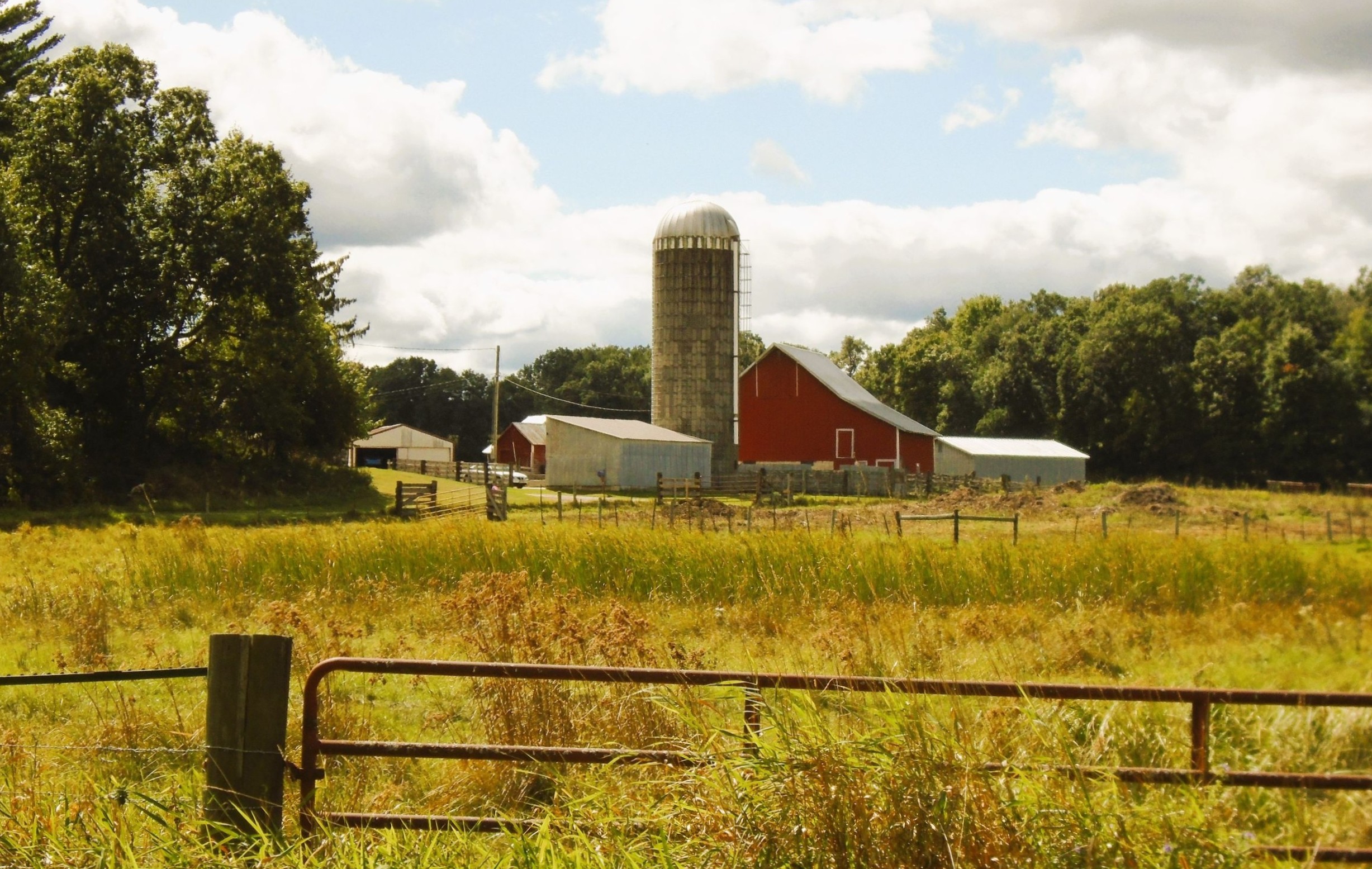
A bicycle ride on the “400” State Trail from Reedsburg to La Valle offers scenic views of forested lowlands and the meandering Baraboo River. The trail crosses the river twice in this section, and travels close to its many oxbow bends. The path also journeys by various sloughs near the river. Hardwood forests and a few pine stands sometime shade the path. In other places, the trail runs through open meadows and parallels pastures.
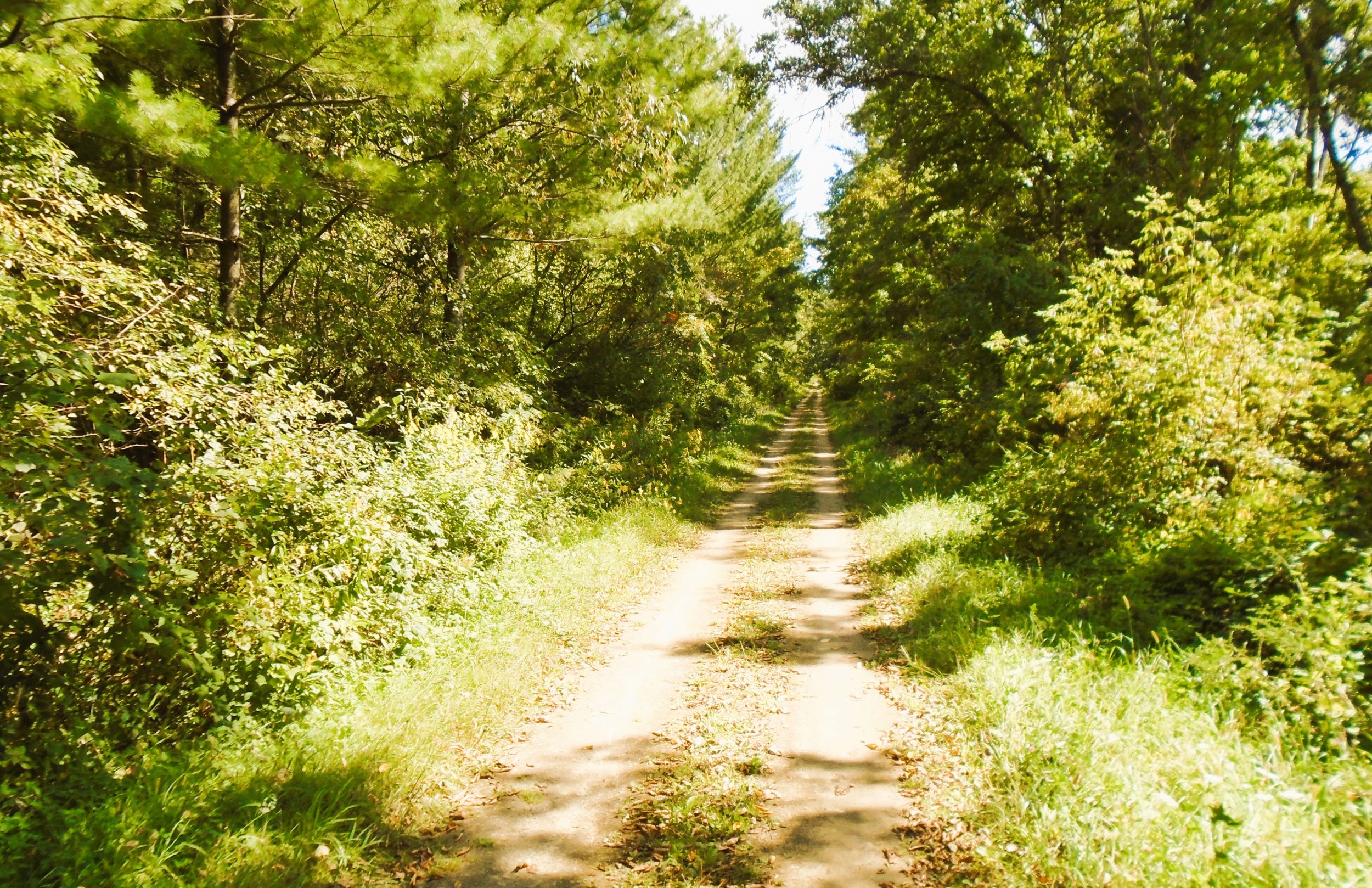
The crushed limestone surface of this trail section is in good condition. The path is composed two lanes of compacted stone and earth with a grassy median. Twigs, branches, and leaves may accumulate on the trail in forested places. Benches are found along the trail. From Reedsburg to La Valle, the path rises 30 feet over the 7.8-mile journey.
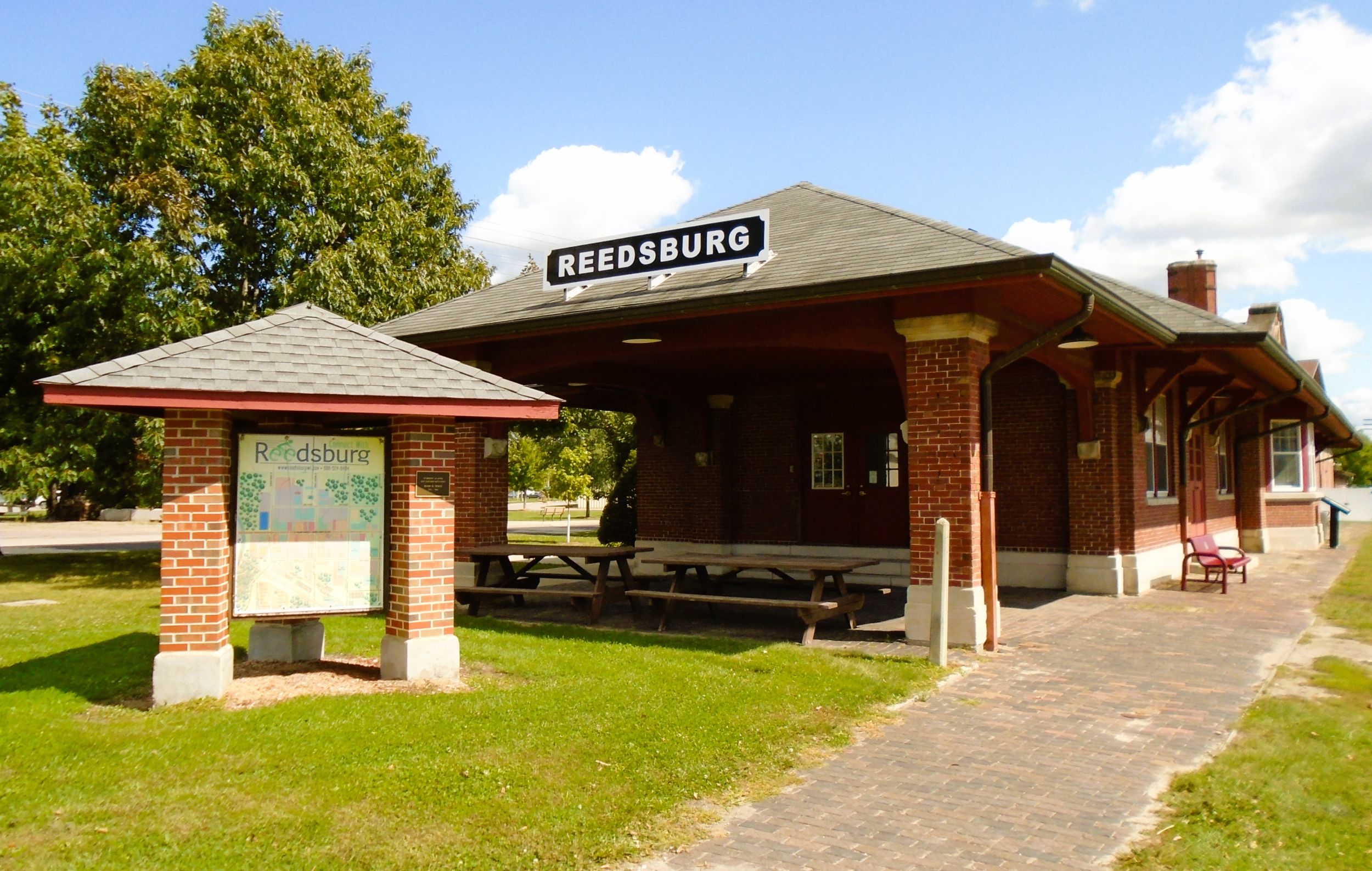
The “400” State Trail begins in Reedsburg at the historic railroad depot. Its address is 240 Railroad Street. To reach the depot by car from Wisconsin State Highways 23-33, turn south on Walnut Street and drive two blocks. Restrooms and the DNR office are inside. An information kiosk, self-registration station, and bicycle self-service station are found here.
The train depot was built in 1906 and used by the Chicago and North Western Railway until 1963. It is a beautiful building with original woodwork, floors, and iconic ticket window. The depot is listed on the National Register of Historic Places. It is owned by the Wisconsin DNR and serves as trail headquarters. It also houses the Reedsburg Area Chamber of Commerce.
An interesting interpretive marker at the depot recounts the plight of the Ho-Chunk Nation at the hands of the U.S. Army and Bureau of Indian Affairs in 1873-1874. Ho-Chunk tribal members had lived in the area for years. Through treaties with the U.S. Government, they were removed from their land and placed on reservations. Some refused to go, evaded capture, or returned home. The marker describes unscrupulous efforts by the military to remove remaining Ho-Chunk members- efforts that were protested by the local community.
The city of Reedsburg’s history dates to the late 1840s, when a community of settlers sprung up where “Babb’s Ford” crossed the Baraboo River. Reedsburg was mapped in 1852, incorporated as a village in 1868, and became a city in 1887. The Chicago and Northwestern Railway arrived in 1872, driving growth. In the 1860s, Reedsburg became known for its hops production. Hops grown here were used by local and national breweries.
Today, Reedsburg is a thriving small city in Sauk County. Many of its businesses cater to visiting trail-goers. The downtown area has several coffeehouses, cafés, and restaurants. Greenwood Café is a good place to grab a sandwich. Deli Bean and Buck Wild Kitchen & Coffee both serve tasty coffee and treats. Double Dip Ice Cream Shoppe is another popular stop. It’s close to the trailhead and features Chocolate Shoppe ice cream from Madison.
Returning to the “400” State Trail, the crushed limestone path leaves Reedsburg’s historic depot and heads northwest out of the city. It traverses Walnut Street and Webb Avenue before bridging the Baraboo River. Caution is required when crossing Wisconsin State Highways 23-33. Self-employed flashing lights support a safer crossing.
After passing a few industries, the trail enters the forest. After crossing Babb Creek, Baraboo River’s lowland forest emerges. In wetland areas, the echoing calls of frogs and birds fill the air in warm weather. Sandhill cranes may be heard in spring and fall. Cyclists should watch for turtles crossing the path, and beware occasional patches of poison ivy on the trail edge.
Along the 7.8 mile route, interpretive signs detail the Baraboo River valley’s natural and human history. Various benches invite trail-goers to pause and relax. In two spots, plaques on stone markers honor the memory of local residents who frequented the trail.
From Babb Creek, it’s nearly two miles until the curving Baraboo River reappears to the left (north). A few arm fields surround this area, but are hardly noticeable due to a thick border of trees and bushes lining the trail. Wisconsin State Highway 33 travels nearby to the left (south). Vehicles are not easily seen, but the traffic noise is heard.
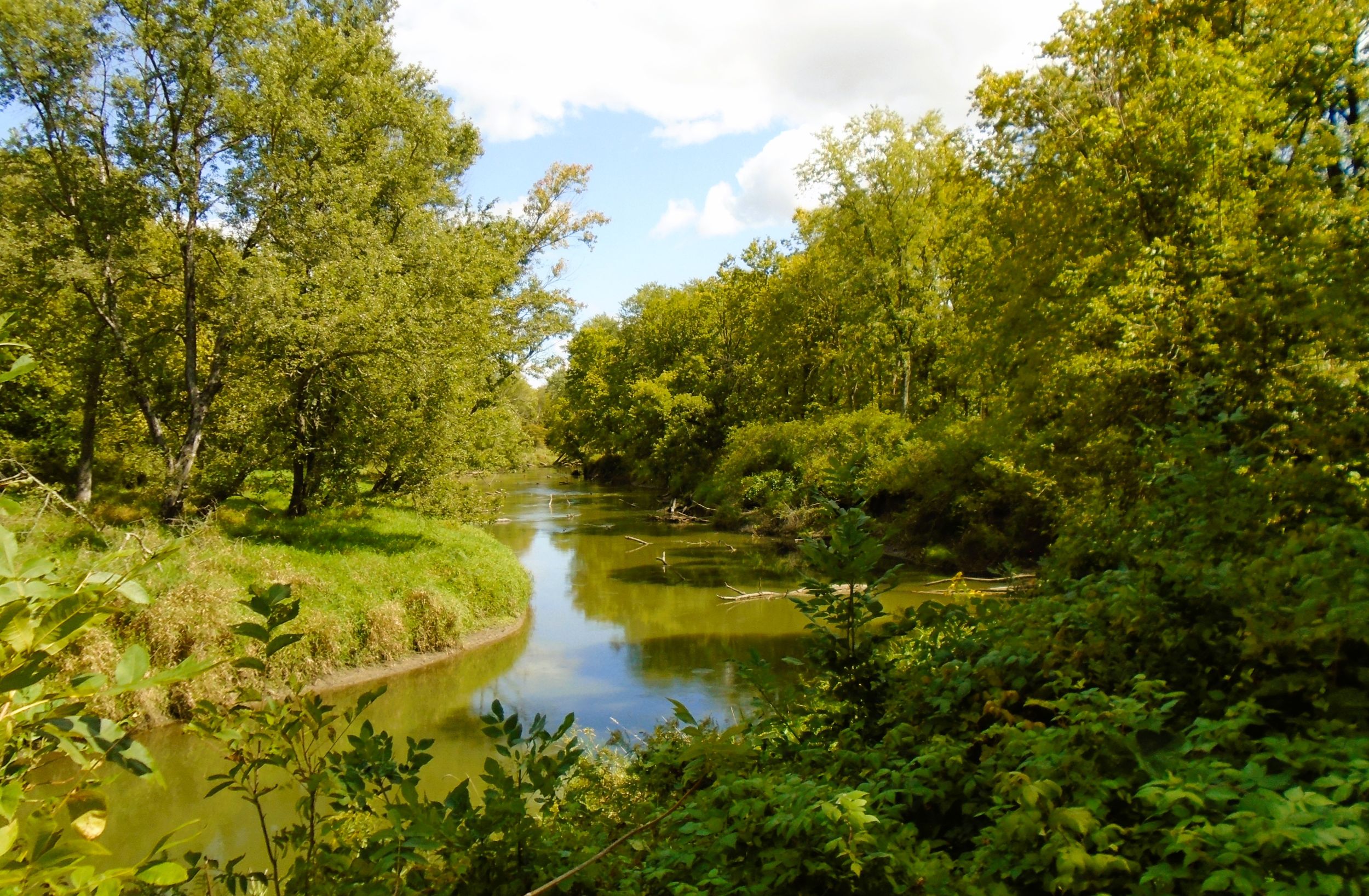
It is almost three miles from the first bend in the Baraboo River to County Highway V. The trail moves away from the state highway, and the landscape becomes more forested, crossing Silver Creek. The serpentine Baraboo River comes into view, curves off into the distance, then returns to the path. Water-filled swamps indicate that the river is never far away.
After crossing County Highway V, the trail curves west. Redstone County Park is not far off the path to the right (north), but it is on the other side of the Baraboo River. The “400” State Trail bridges the Baraboo River a second time. It’s amazing to see log snags and other debris pinned up against the bridge, signs of highwater flooding.

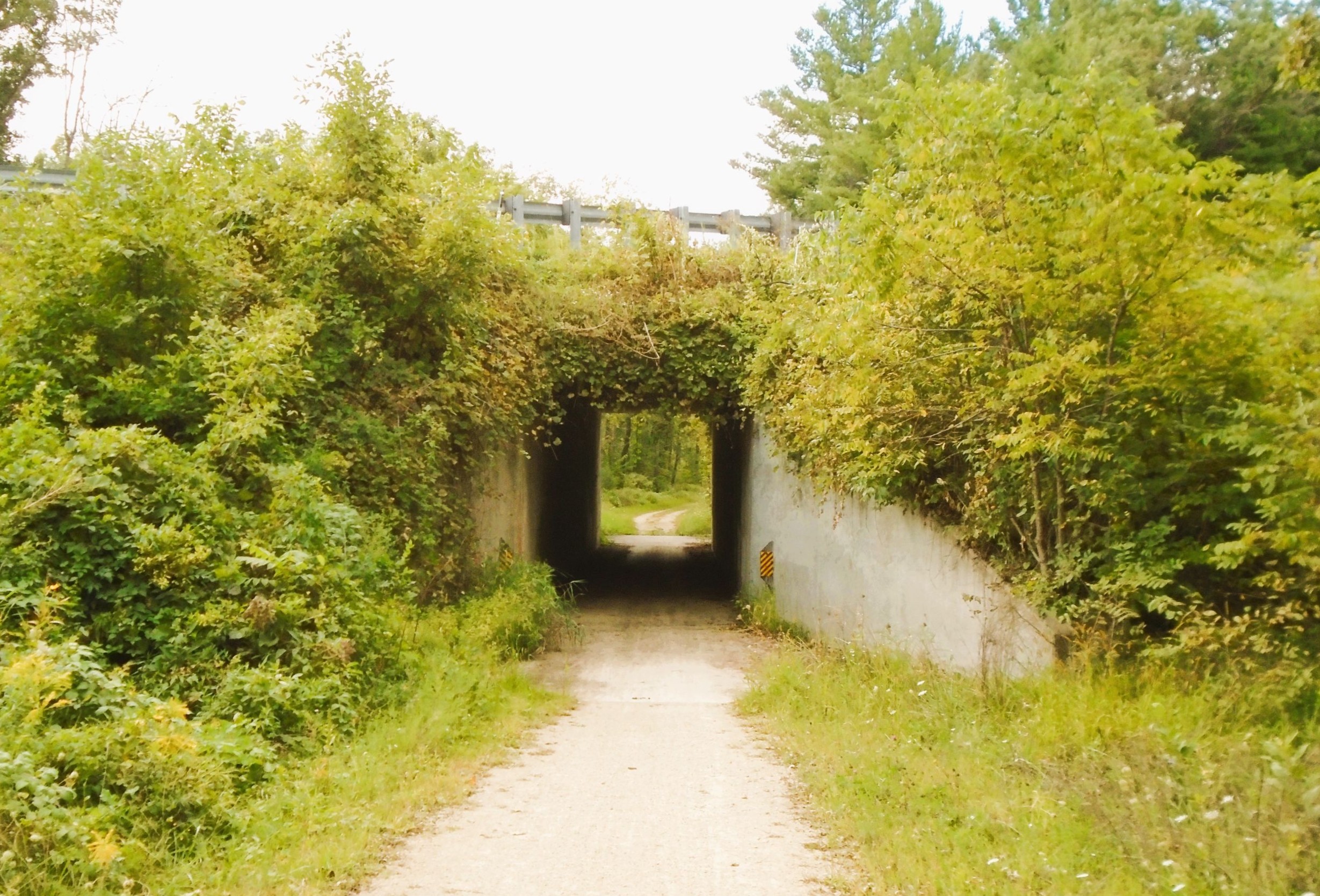
It is 1.2 miles from County Highway V to a tunnel that takess trail-goerss under Wisconsin State Highway 33. The narrow tunnel signals the upcoming village of La Valle. Over the last mile, the natural landscape slowly gives way to a small town environment.
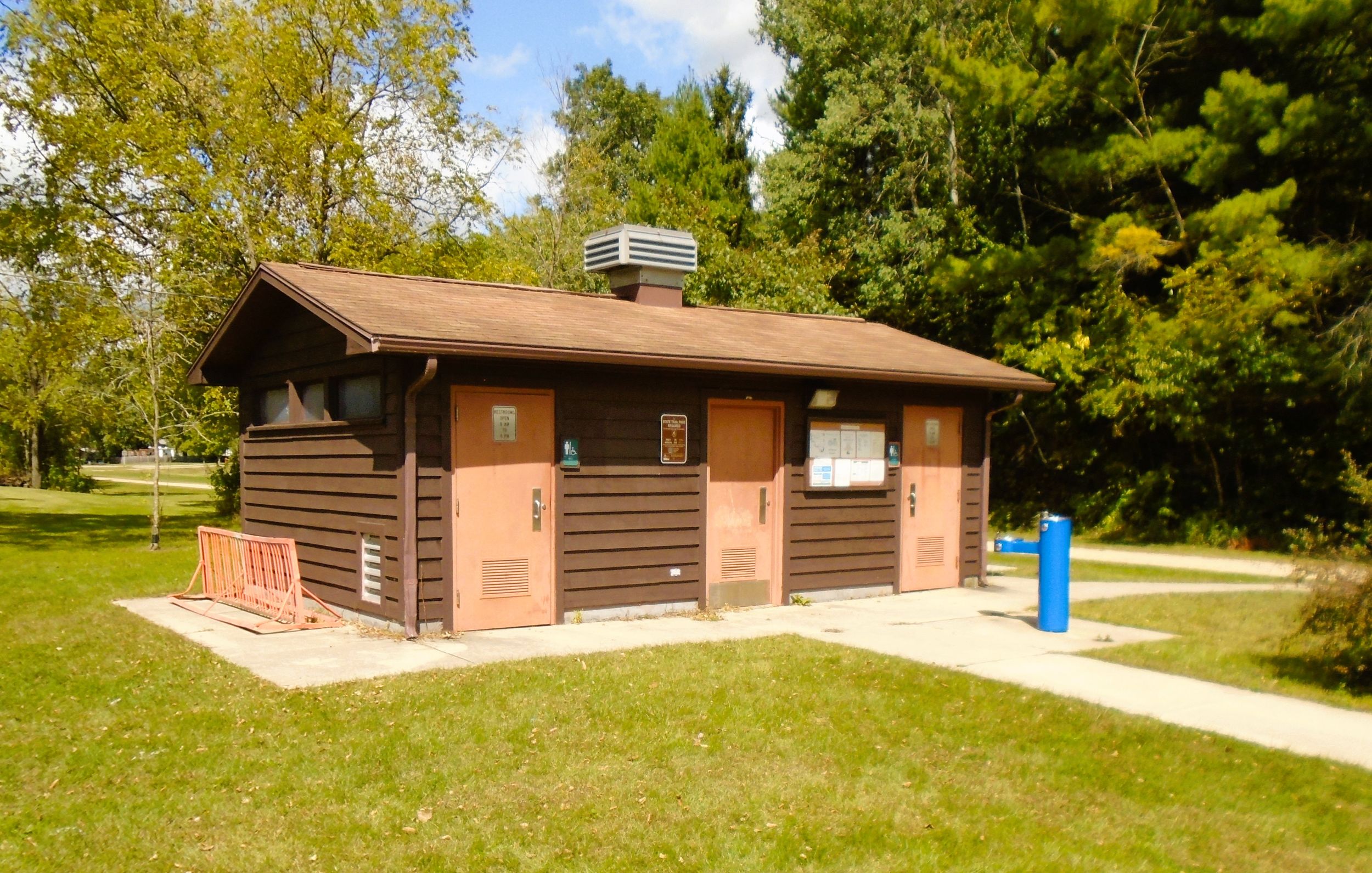
The trail skirts the south side of La Valle before arriving in town. Caution is needed to cross Main Street. This busy road carries Wisconsin State Highways 33 and 58. After crossing North Street, the path arrives at the trailhead. A weathered sign there attempts to convey LaValle’s history. A modern sign is near the restrooms. Amenities include a parking lot, drinking water, self-registration station, self-service bicycle repair station, and picnic table.
Gas and food may be purchased in La Valle, and Trail Break Cafe Pizzeria and Patio Bar is known for delicious sandwiches. LaValle’s trailhead is located on Trail Street in La Valle. It is accessed from North Street off Wisconsin State Highway 58 in the center of the village.
Members of the Ho Chunk tribe were the first to live in this area, at the confluence of the Big and Little Baraboo Rivers. Many tribal members were removed from their homeland after ceding territory to the U.S. Government in the 1830s-1840s. The land was then surveyed, plotted, and opened for sale. An acre of land sold for as little as $1.25.
“The Valley,” as it was first called by early French fur traders, was settled in 1849 by white American entrepreneurs. They were looking to use the Baraboo River’s waterpower there. A post office was established in 1856 under the name “Marsten.” It changed to La Valle in 1861. The community grew in the late 19th-century from lumber and milling industries. The arrival of the railroad in 1872 also contributed to the village’s prosperity.
Today, cyclists using the “400” State Trail may expect an enjoyable ride from Reedsburg and La Valle. Mosquitos may be a nuisance in warm months in low-lying areas when stopping on the trail. Cyclists also may need to dodge natural debris on the path, especially in forested sections. Despite this, the “400″ State Trail offers a beautiful, peaceful bike ride.
Trail last ridden and documented in September, 2025
Map of trailheads and addresses along this section of the trail.