Military Ridge State Trail
Traveling 40 miles through Iowa and Dane Counties, the Military Ridge State Trail follows a former Chicago and North Western Railway corridor along a high, dry ridge. The line was originally built by the railroad in 1881. It was called the “Ridge Runner Line” at the time, because it traveled atop the Military Ridge through southwestern Wisconsin’s Driftless Area, a region untouched by ancient glaciers. For nearly a century, the railway carried passengers and freight between Madison and Prairie du Chien.
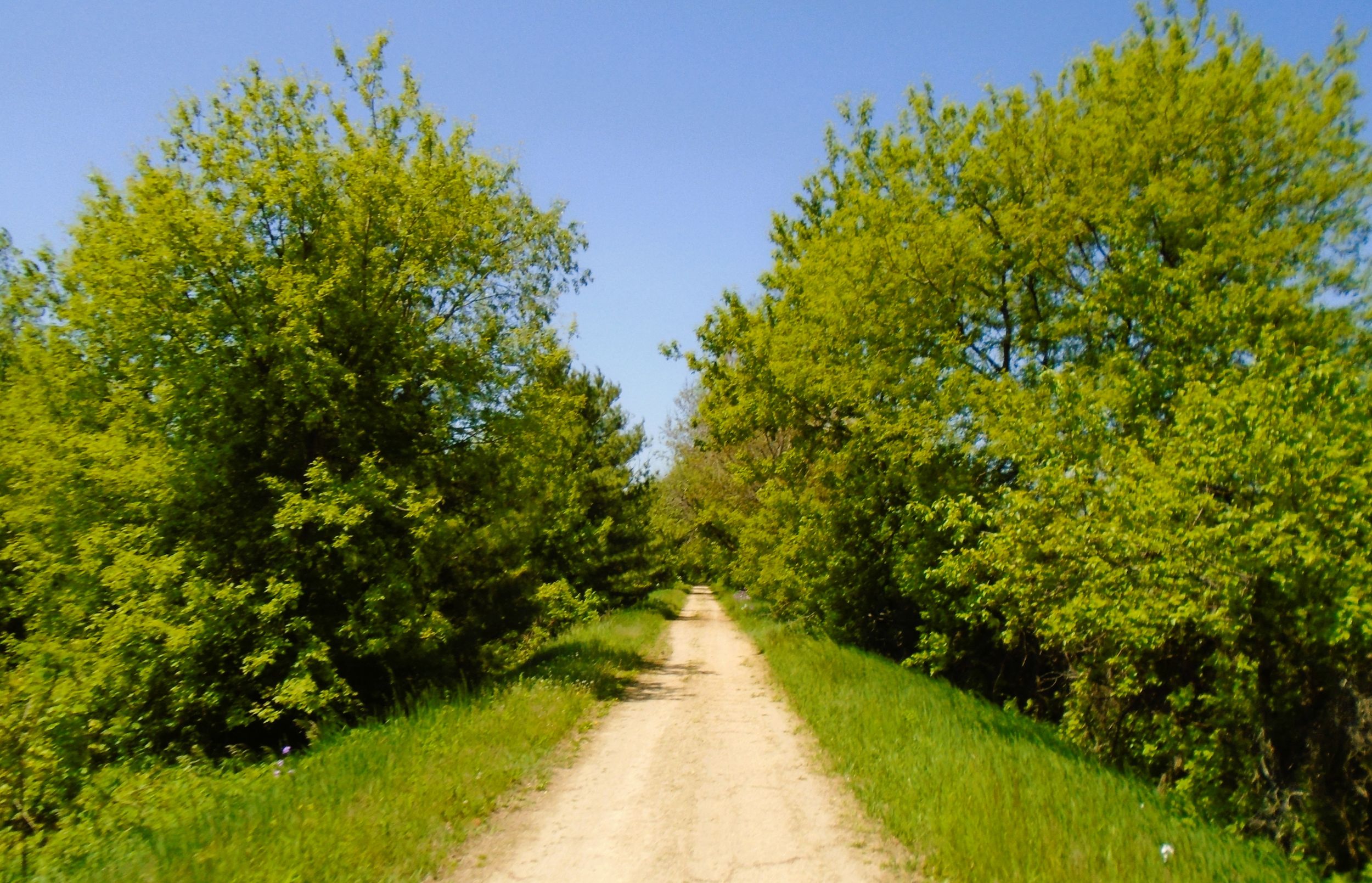
Years before the advent of the railroad, the 100-mile-long ridge stretching west to the Mississippi River was used as a transportation route by Native Americans. In 1835, soldiers from Fort Crawford in Prairie de Chien built Wisconsin’s first official road atop the ridge. The military road traveled much of the same route on which the bike trail now exists, except for where the road ventured northeast at Mount Horeb. Built between 1835 and 1837, the road snaked its way to Fort Winnebago at Portage, and continued on to Fort Howard in Green Bay. Troops from each fort were responsible for building sections of the 234-mile route.
The line of the Chicago and North Western Railway followed the old military road along the watershed ridge. Train operations on this route finally ceased in 1979. The Wisconsin Department of Natural Resources purchased the corridor in 1983 to develop as a public recreational trail. After years of planning and construction, the Military Ridge State Trail officially opened to the public and was dedicated in 1985.
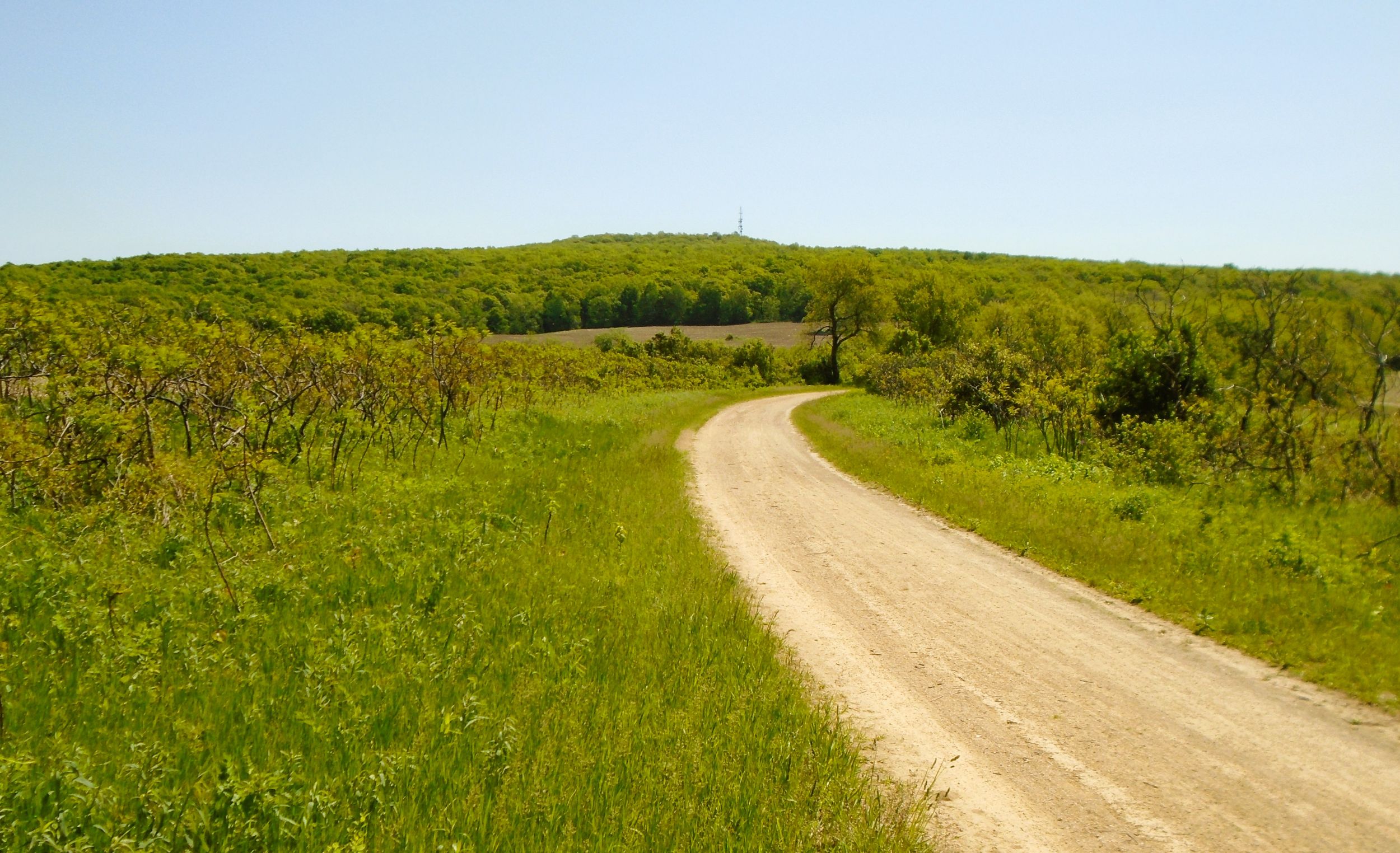
The Military Ridge State Trail runs from Dodgeville to Fitchburg. On its way east, it passes through Ridgeway, Barneveld, Blue Mounds, Mount Horeb, Riley, and Verona. It also travels near Governor Dodge and Blue Mounds State Parks, as well as Brigham County Park. Just east of Mount Horeb, it drops into the Upper Sugar River Watershed.
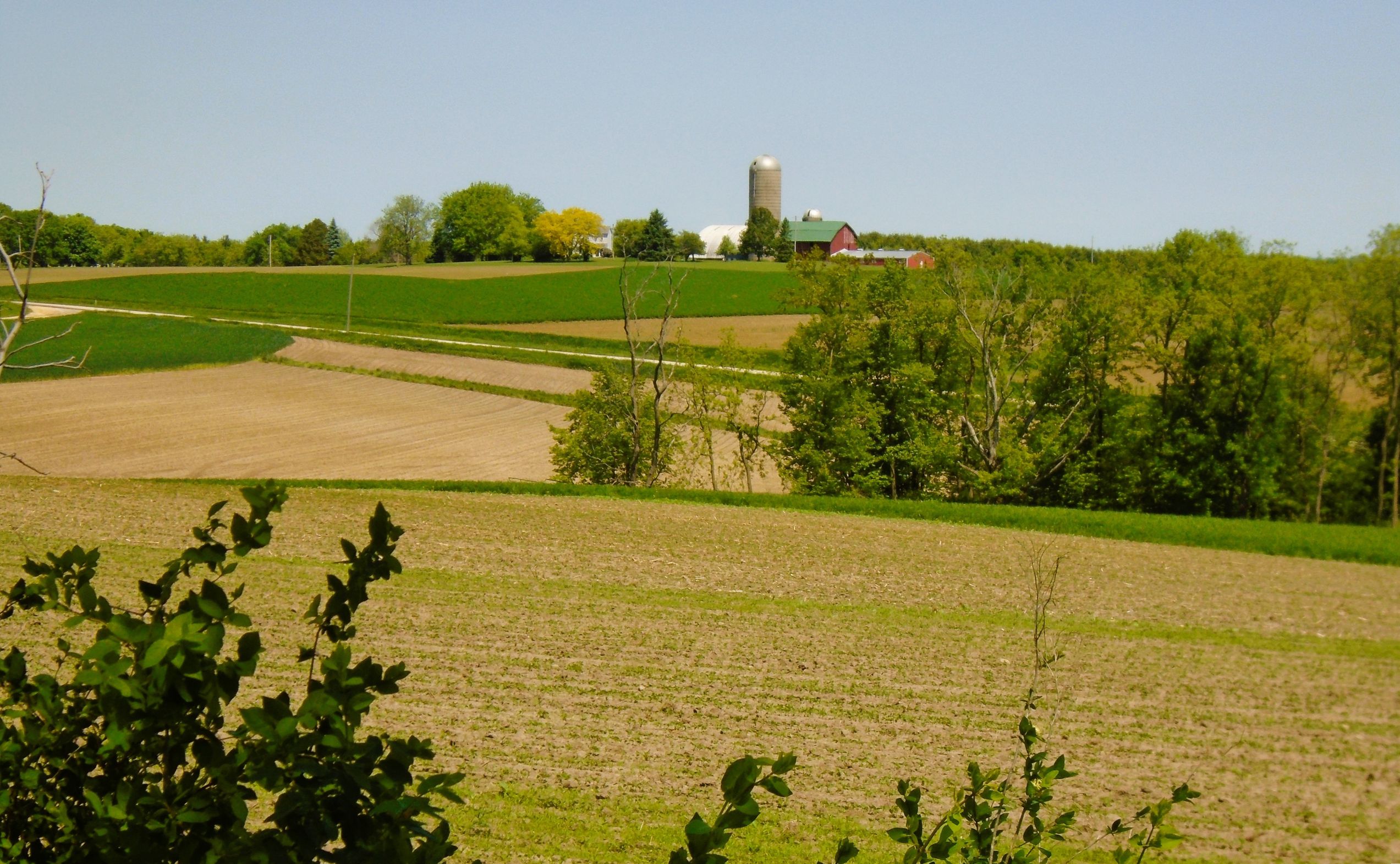
The grade of the Military Ridge State Trail ranges from 2-5%. It’s surface is composed of crushed limestone, in good condition. The section from Verona to Fitchburg is paved asphalt. Along its way, the path crosses 47 bridges. The route meanders through small towns, farmland, forests, prairies, and wetlands. There are observation platforms and interpretive markers along the way that convey the area’s natural and historic features.
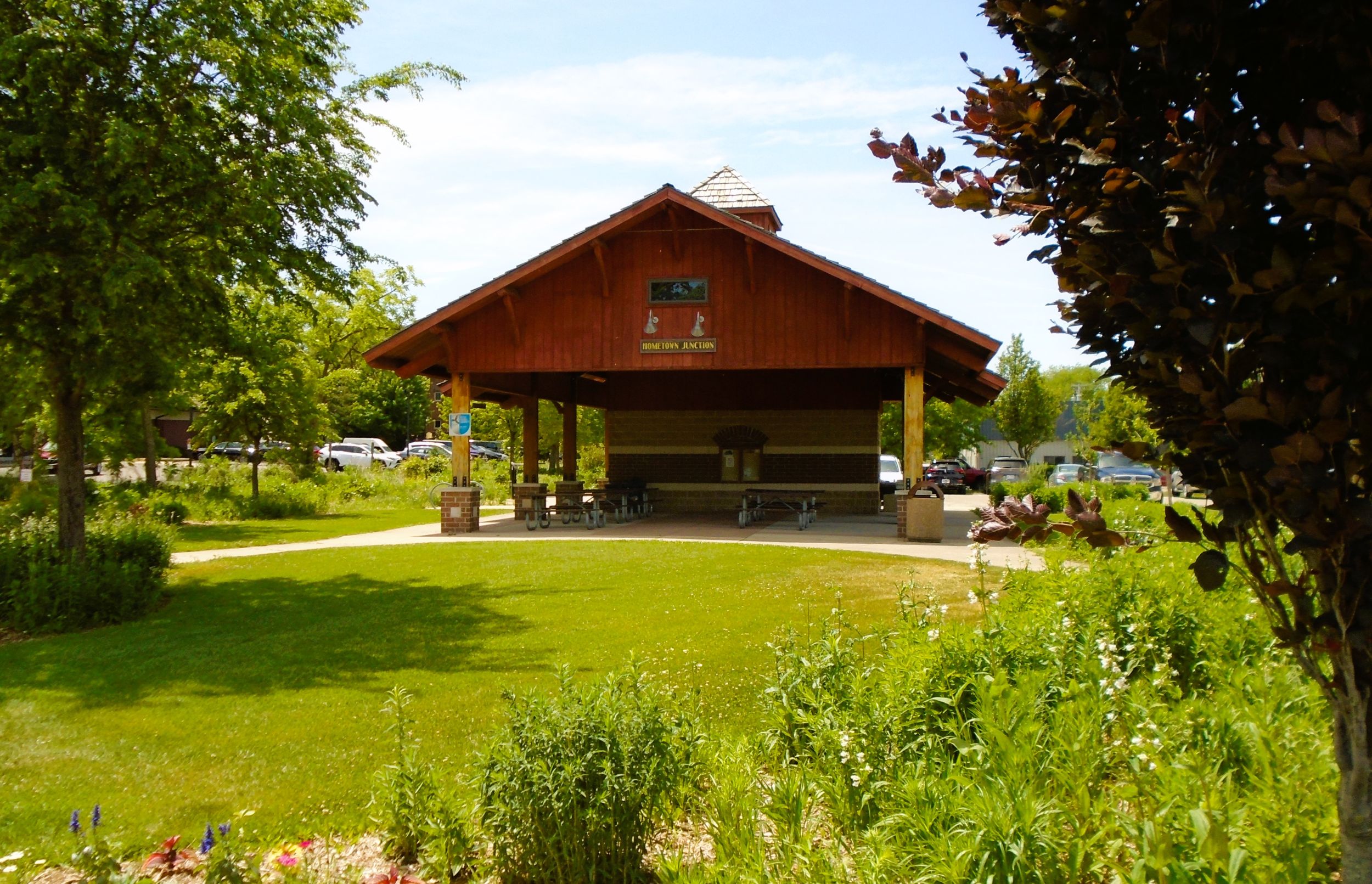
The trail officially terminates near Cottonwwod Drive in the city of Fitchburg. But the paved path continues a few more miles to the Velo UnderRound. Bicycle maps differ on whether this 0.7-mile trail section is part of the Military Ridge State Trail, Cannonball Path, or Capital City State Trail. No matter the trail’s name, this segment leads to a major bike trail intersection called the Velo UnderRound. At this junction, bicyclists may access the Badger State Trail, Southwest Commuter and Cannonball Paths, or Capital City State Trail.
The access fee for the Military Ridge State Trail is $5 daily or $25 for an annual pass. Passes are obtained at a DNR office and certain local businesses. Horses and motorized vehicles are not permitted on the trail. Obey all posted signs. Because most of the trail’s surface is composed of crushed limestone, the path may become soft or wet after rain. Erosion may occur by hills and valleys. Additionally, twigs and small branches may litter the path after periods of storms. Overall, the Military Ridge State Trail offers a wonderful opportunity to enjoy the natural beauty and history of southwest Wisconsin.
Route Descriptions