Madison
Madison is well-known as a city that embraces bicycling. It has been recognized as a platinum “Bicycle Friendly Community” by the League of American Bicyclists, and some of its suburbs have earned high distinctions as well. Several organizations, such as Madison Bikes Inc., contribute to its esteemed status. The metropolitan area contains over 200 miles of frequently used bike path, a few of which connect to regional trails.

Some of Madison’s bike trails travel from suburban communities into the city center, and are used primarily by commuters biking to work. Others journey through natural areas and offer attractive views of the landscape and wildlife. Restaurants, cafes, ice cream shops, and breweries cater to bicyclists along these trails. Because of the high volume of trail-users, cyclists should pay attention to posted rules and practice safe biking.
The area of present-day Madison was originally home to Native Americans for centuries. In fact, many prehistoric burial mounds of indigenous people are still found there. Ancient dugout canoes discovered near many lakes and rivers, including Lake Mendota, are prompting anthropological research at the Wisconsin Historical Society. In more recent history, members of the Ho-Chunk nation resided by the four lakes. Many tribal members were removed to western reservations by the U.S. Government beginning in the late 1820s.
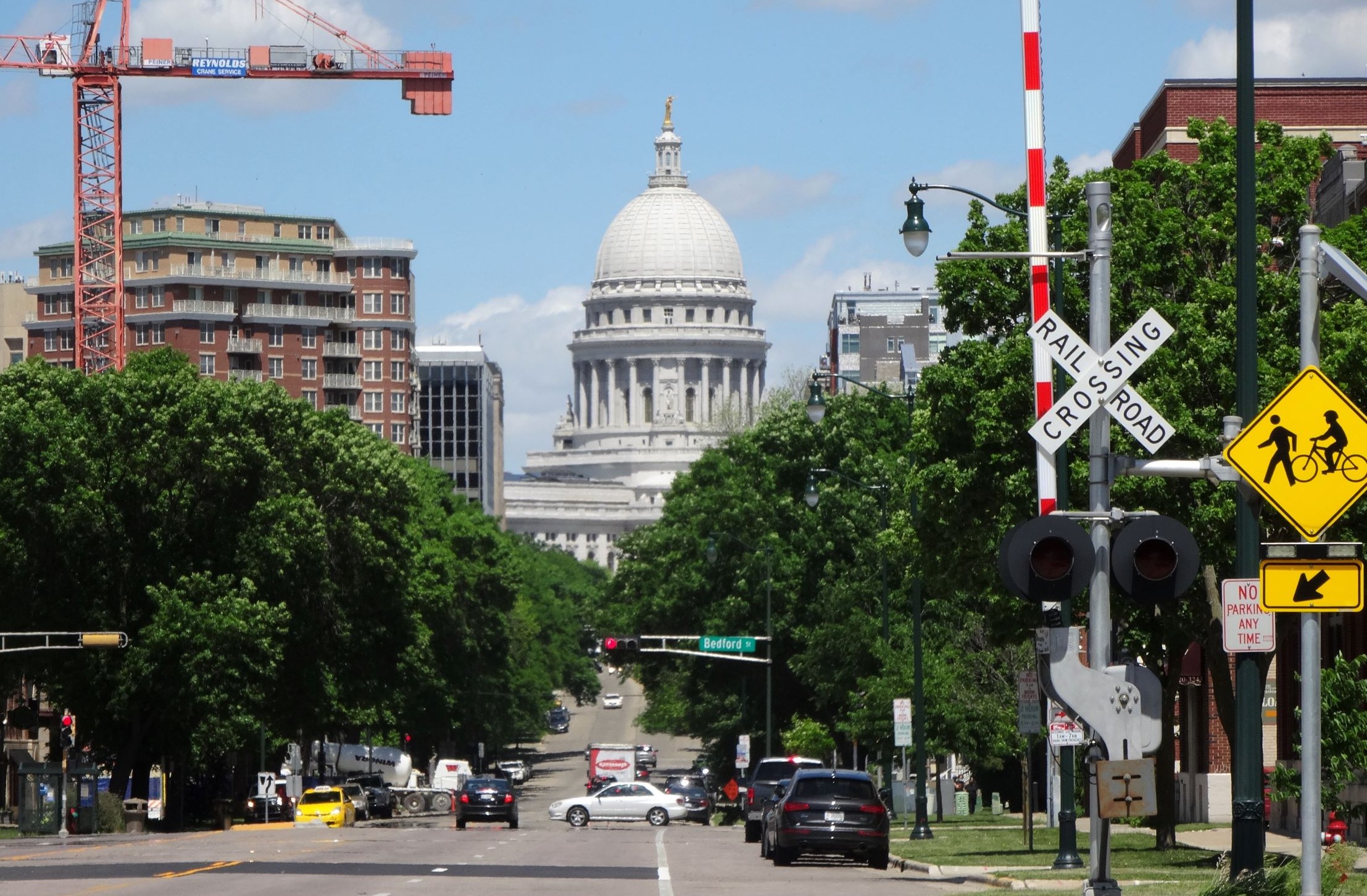
The city’s origins start in 1829, when former federal judge James Duane Doty purchased over 1200 acres of land on an isthmus between Lakes Mendota and Monona. He intended to capitalize on his land purchase by building a city there. He hoped that “De Jope” (Ho-Chunk for “land of the four lakes”) would serve as the future capital of Wisconsin Terrritory.
When the Wisconsin Territory was created in 1836, the legislature met in the small town of Belmont. One of their first tasks was to select a permanent location for the capital. Doty lobbied for his land purchase at the four lakes, offering buffalo robes to legislators during the bitterly cold winter, and promising them premium city lots at discount prices. His effort paid off, and the site was chosen for the new capital.
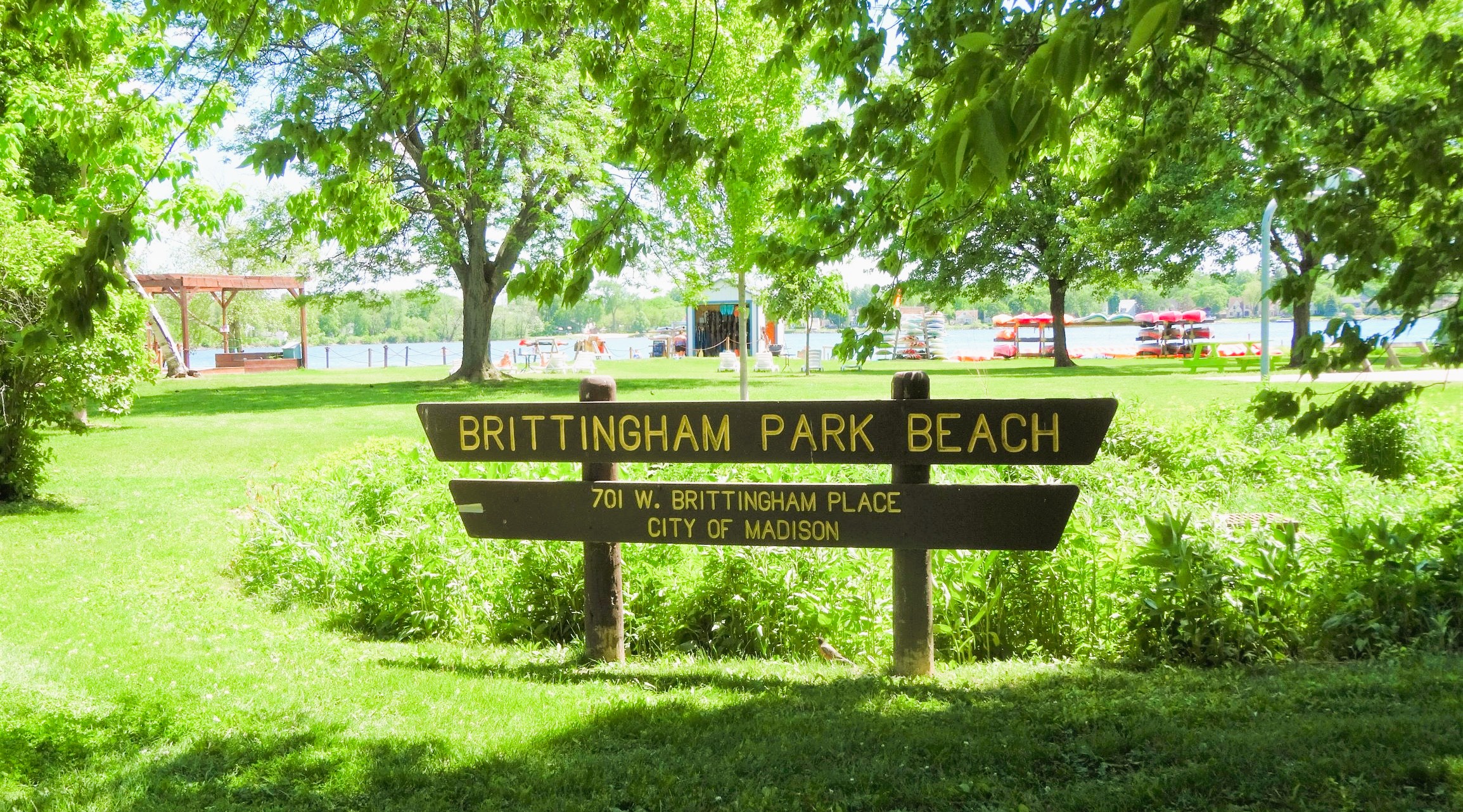
Doty named his new city for James Madison, the fourth President of the U.S., who had died in 1836. He also named the streets in honor of the signers of the U.S. Constitution. In November of 1836, the territorial legislature voted to make Madison its capital. Construction of the capitol building began in 1837, and the legislature first met there in 1838. Madison was incorporated as a village in 1846 and as a city in 1856. Wisconsin became a state in 1848, and Madison continued as the site of the capital.
In 1848, the University of Wisconsin was established as a public land-grant research university on the city’s western edge. The university is the flagship campus of the University of Wisconsin System. The main campus sits on over 900 acres on the shores of Lake Mendota. It also owns and operates a nearby 1,200-acre arboretum. While Bascom Hall is an emblematic campus structure, North Hall is actually its first building, completed in 1851.
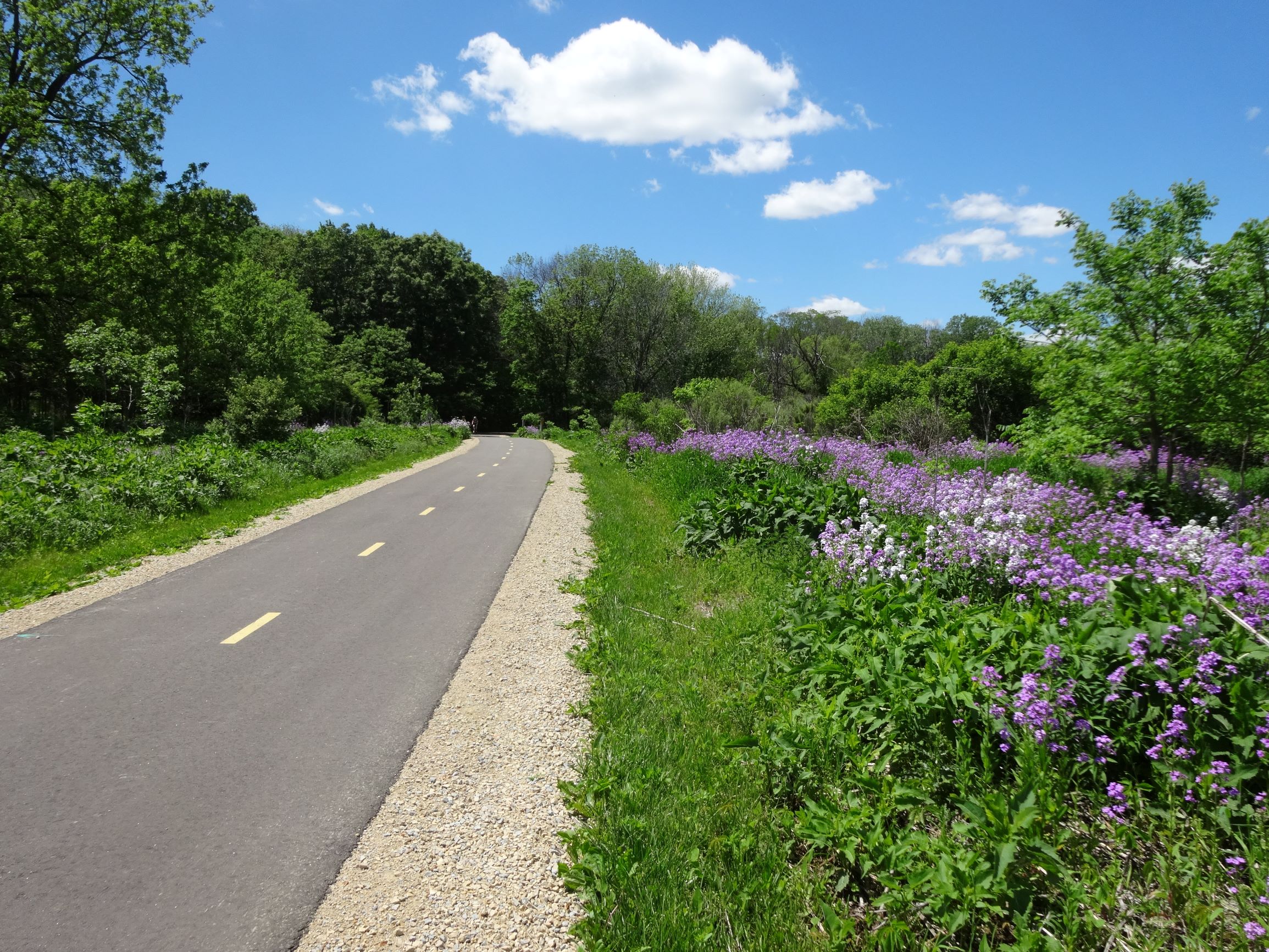
Today, Madison is one of the state’s fastest growing cities. It ranks second in size in Wisconsin behind Milwaukee. It is known for it longstanding reputation as a progressive and politically liberal city. Madison’s lively city streets, many cultural festivals and events, and stunning lakeside beauty make it an attactive place to visit and live. In fact, Madison boasts one of the highest numbers of parks and playgrounds in America for a city its size.
Route Descriptions