Green Bay
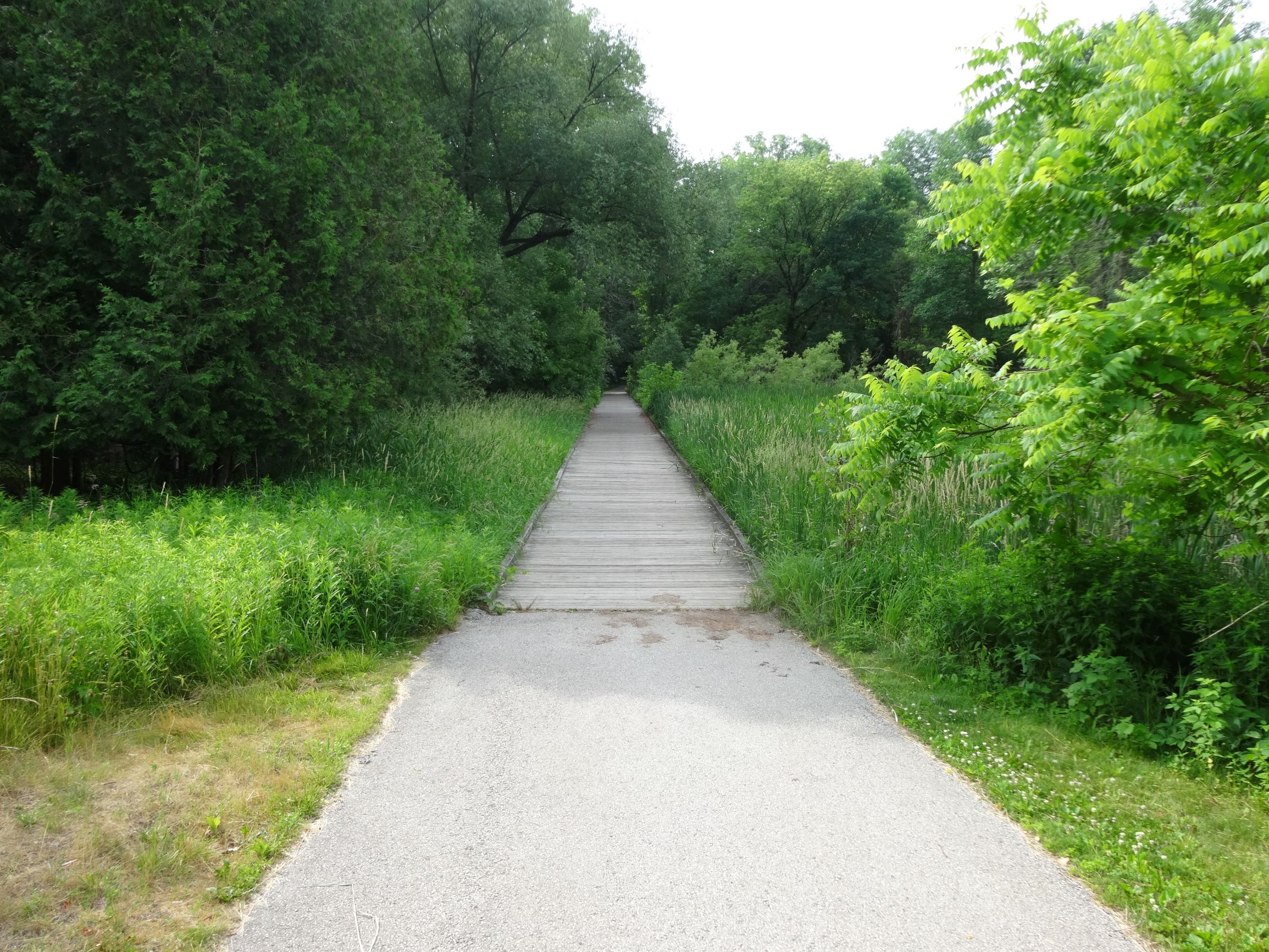
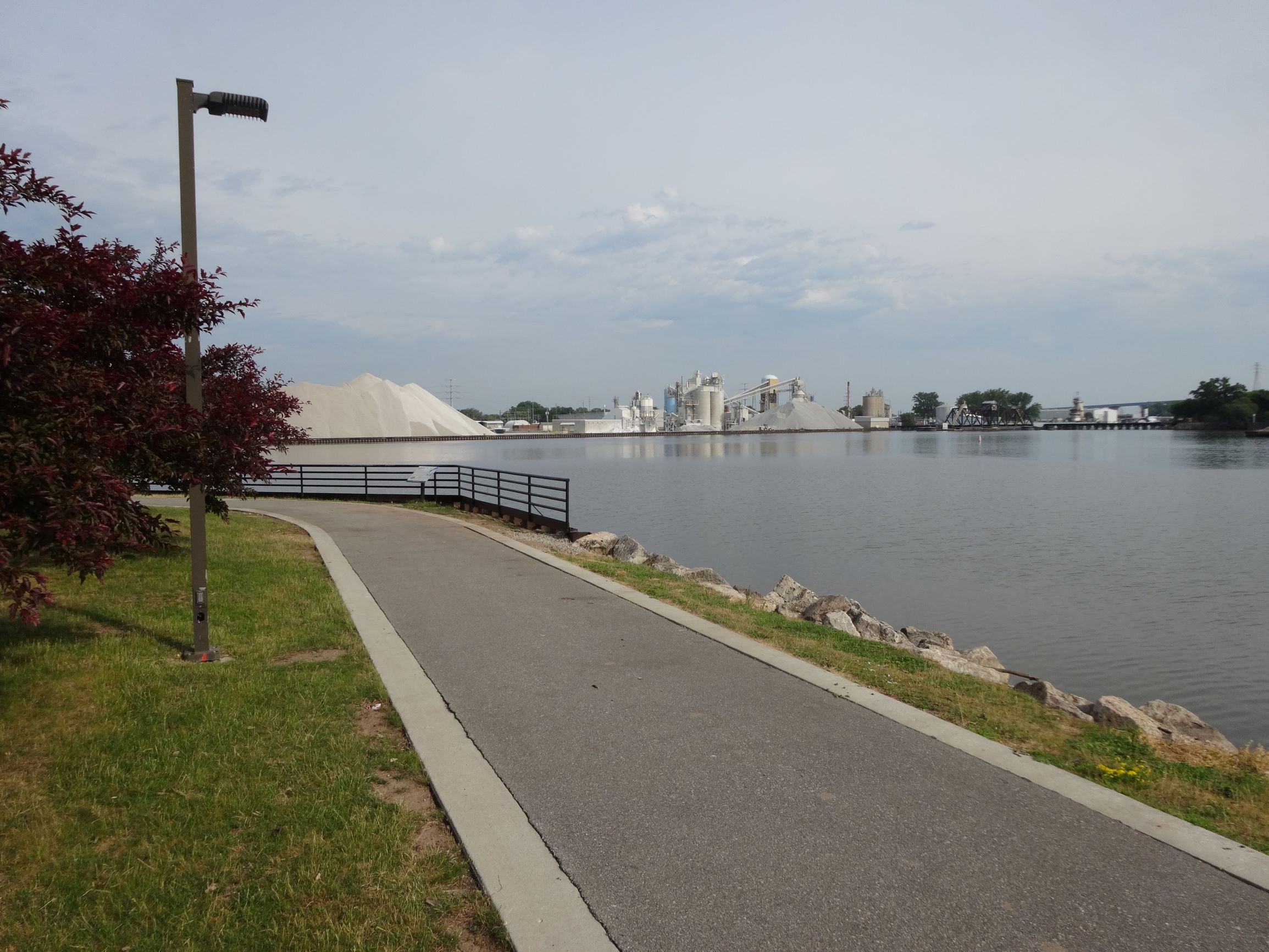
When considering bike trails in Green Bay, the Fox River State Trail and Mountain Bay State Trail are well-known options. Several lesser-known trails are well-used by locals, and offer the chance to go off the beaten path. While characterized as “metropolitan” bike trails, much of the scenery is natural. Trail conditions are generally excellent. They are maintained by various municipalities and organizations, and free for public use. Interpretive markers and different amenities are found on several segments. The bike paths are busy on weekends, so cyclists should always practice good trail etiquette, including verbal cues when passing.
The area surrounding the mouth of the Fox River was home to Native Americans for centuries. Indigenious tribes include the Ho-Chunk and Menominee. Overt times, other nations moved to the area, including the Ojibwe, Potawatami, Ottawa, Sauk, and Fox (Meskwaki). The latest tribes to relocate in northeastern Wisconsin were the members of the Oneida, Mohican, Brothertown, and Munsee nations, who first came in the 1820s.
The first white European to explore Green Bay was Jean NicoletTraveling from Montreal, he arrived in the area in 1634. Commissioned by Samuel de Champlain, founder of New France, Nicolet sought to form an alliance with Native Americans, open up the fur trade with them, and find a shorter route to the Orient.
Later in the 1600s, Jesuit priests established a mission at what is now De Pere. Near there, French-Canadian Nicholas Perrot built warehouses and used “La Baie” as a hub for his fur trade business. CLose to the Fox River’s mouuth, the French military erected a fort in the early 1700s to protect fur trading interests. After the Seven Years’ War, Great Britain took over Green Bay. The renamed the fort and remained there for a short time. Pontiac’s Rebellion in 1763 forced the troops to evacuate. Charles de Langlade, who many saw as the “Father of Wisconsin”, visited Green Bay frequently, and finally settled there in 1765.
It was not until after the War of 1812 that Green Bay saw a significant American presence. In 1816, Fort Howard was constructed by the U.S. military on the site of the former French and British forts. The fort oversaw the fur trade and relations with Native Americans. It operated until 1841, and again from 1844 to 1852. In the 1860s, the advent of the railroad brought more economic growth to Green Bay. After exploiting the lumber resources, paper-making industry developed along the Fox River and still employs a large number of people.
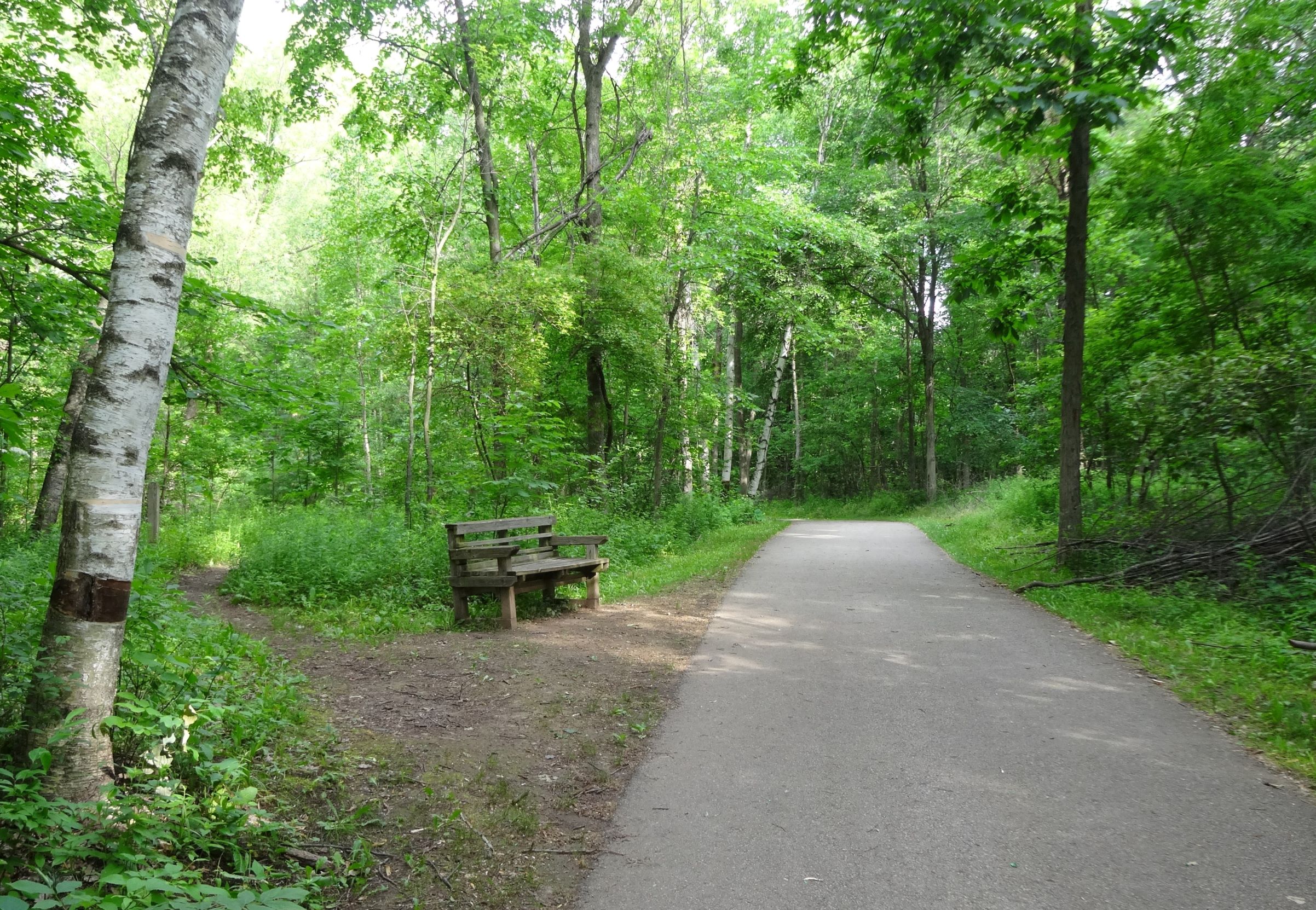
Today, Green Bay is known mostly for its football team. But there are plenty of recreational opportunities throughout the city. Taking a bike ride on one of the city’s different trails is a perfect way to spend the day. A trail excursion gives bicyclists the chance to encounter the oldest city in Wisconsin and experience all that it has to offer.
Route Descriptions